The legacy of Holly and Jessica's murders: Soham 'won't waste its breath' on Huntley
The Crime That Changed a Town Forever
4 August 2002 — The Day Soham Lost Its Innocence
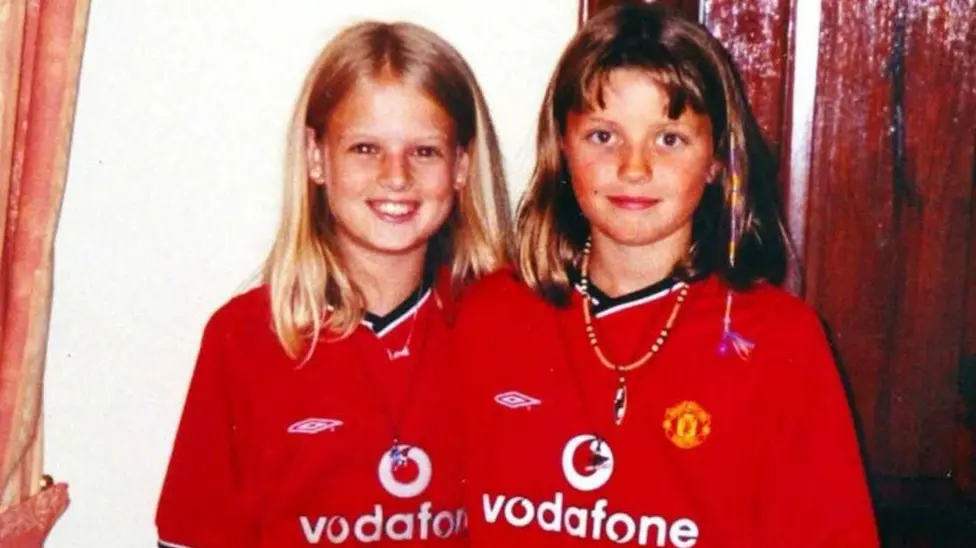
On the afternoon of 4 August 2002, Holly Wells and Jessica Chapman, both ten years old, left Holly's home in Soham, Cambridgeshire, to buy sweets from the local shop. Dressed in matching red Manchester United shirts, they walked along quiet residential streets. They never came back. The disappearance of the two best friends triggered the largest missing persons investigation Britain had seen in decades and exposed a darkness that would scar the community for generations.
The search began almost immediately. Hundreds of volunteers joined police in combing fields, ditches, and woodlands around the village. Flyers were distributed, television appeals were broadcast, and the nation watched as Holly's parents, Kevin and Nicola Wells, and Jessica's parents, Leslie and Sharon Chapman, made emotional pleas for information. The girls' smiling faces dominated the news for thirteen days.
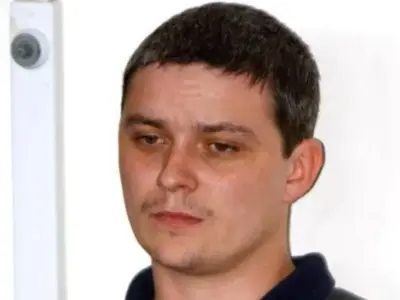
Ian Huntley, a 28-year-old caretaker at Soham Village College, was one of the first people interviewed. He told police he had seen the girls walking past his home on College Close shortly before they vanished. He even appeared on television, expressing sympathy for the families. His girlfriend, Maxine Carr — a teaching assistant at the girls' school — supported his alibi, claiming she had been with him all afternoon.
The investigation shifted dramatically when police discovered inconsistencies. Carr had actually been in Grimsby visiting her mother that day. Mobile phone records showed Huntley was alone at home during the critical time window. On 17 August 2002, the bodies of Holly and Jessica were found in a ditch near RAF Lakenheath, about 10 miles from Soham. Both had been asphyxiated. Huntley was arrested the same day and charged with murder. Carr was charged with perverting the course of justice.
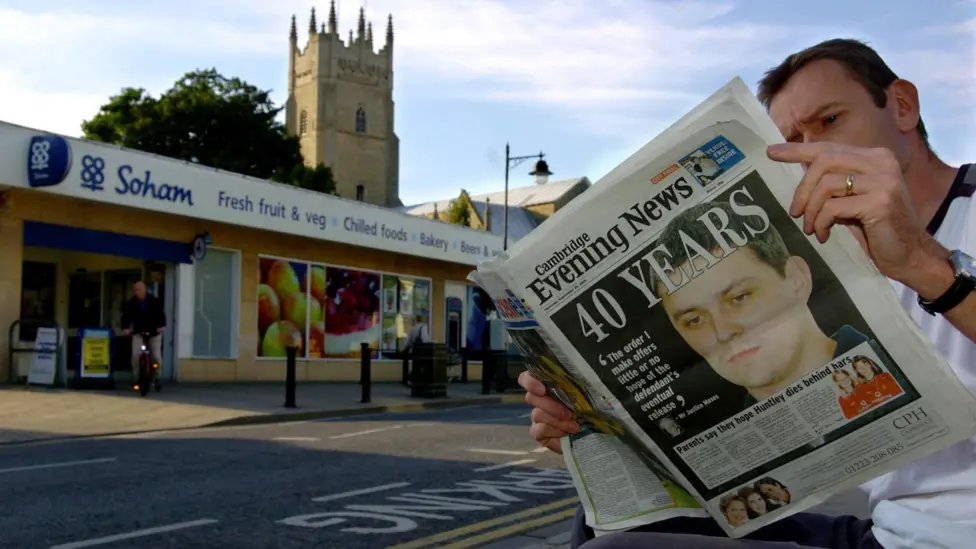
The trial at the Old Bailey in November 2003 was harrowing. Huntley admitted the girls had died in his bathroom — claiming Holly accidentally drowned and Jessica was killed to silence her — but the jury rejected his story as a deliberate lie. He was convicted of double murder on 17 December 2003 and sentenced to life imprisonment with a minimum term of 40 years. Carr was convicted of perverting justice and sentenced to three and a half years.
Categories: Soham Murders, Ian Huntley Case, Child Abduction, UK True Crime, High-Profile Trials
Keywords: Soham murders 2002, Holly Wells Jessica Chapman, Ian Huntley conviction, Soham village tragedy, Maxine Carr alibi
The legacy of Holly and Jessica's murders: Soham 'won't waste its breath' on Huntley
Aftermath and the Town's Quiet Resolve
Protection Reforms, Community Healing, and the 2026 Prison Death
The Soham murders prompted the most significant overhaul of child protection in British history. The Bichard Inquiry, led by Sir Michael Bichard, exposed catastrophic failures in background checks and information sharing between police forces. Huntley had been investigated for sexual offences multiple times before being hired at the school, but the information never reached the right people. The inquiry's recommendations led to the creation of the Independent Safeguarding Authority (later merged into the Disclosure and Barring Service) and mandatory vetting for anyone working with children.
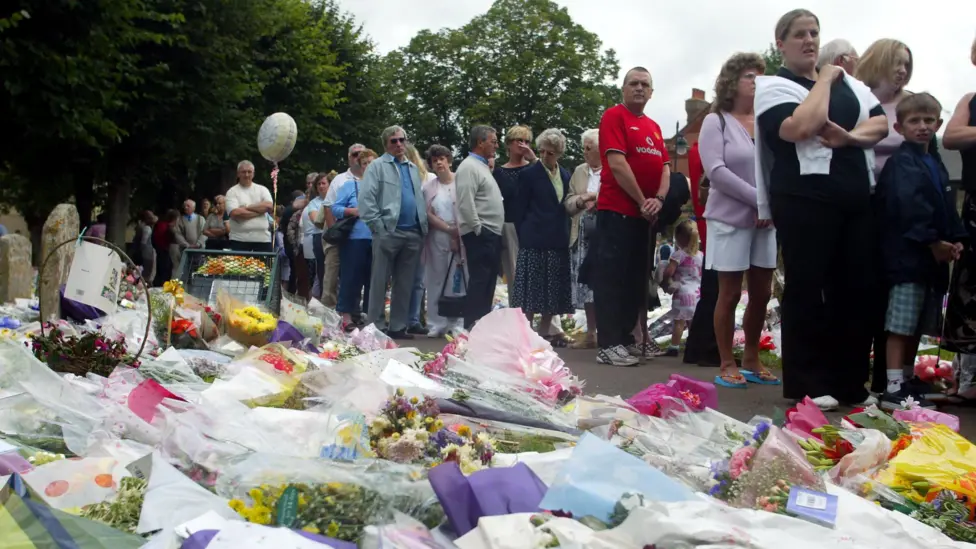
In the years that followed, Soham worked to heal. The village held annual memorial services, planted trees in memory of Holly and Jessica, and established the Holly and Jessica Foundation to support child safety initiatives. The community made a conscious decision to move forward without allowing Huntley to dominate their narrative. When news broke in March 2026 that Huntley had been killed in a prison attack at HMP Frankland, the reaction in Soham was muted and measured.
Kevin Wells, Holly's father, spoke for both families: "We always knew this day might come. He took our daughters' lives and destroyed our family. Justice has taken its own course. He is not worth the breath of the people of Soham." The statement captured the town's collective resolve — to remember Holly and Jessica, not their killer. Residents echoed the sentiment: the focus remained on the girls' lives, their friendship, and the community's enduring strength.
Huntley's death closed one chapter of a tragedy that had defined Soham for more than two decades. The attack at Frankland — where he was found unconscious with severe head injuries — raised questions about prison safety and the management of high-profile offenders. Yet in Soham, the news prompted little public comment. The village had long ago decided that Huntley would not define them. The legacy of 4 August 2002 is not his name, but the memory of two little girls in red football shirts, the reforms that followed, and a community's quiet determination to keep moving forward.
Today, Soham is a place that honours Holly and Jessica through education, remembrance, and vigilance. The murders changed child protection across the UK and left an indelible mark on the village. But as one resident said after Huntley's death: "We've spent 24 years remembering the girls. We won't waste any more breath on him."
Categories: Soham Murders Legacy, Child Protection Reforms, Ian Huntley Death, Community Resilience, UK True Crime Aftermath
Keywords: Soham legacy 2026, Holly Jessica murders impact, Ian Huntley prison death, Bichard Inquiry reforms, Soham community response